


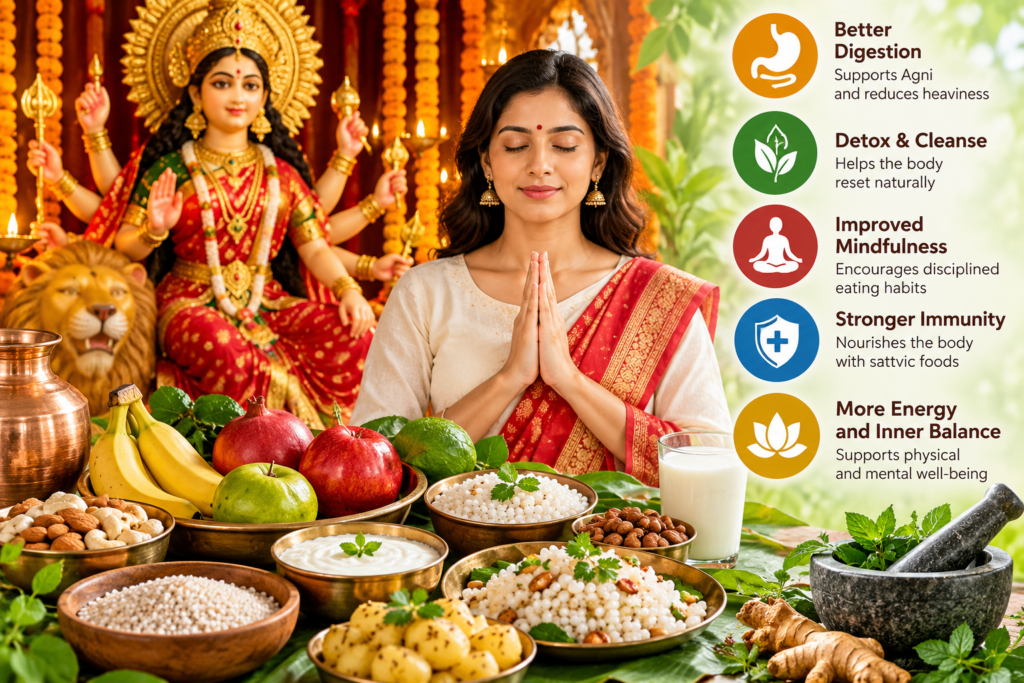
Discover how Navratri fasting relates to Ayurvedic principles of Agni, mindful eating and digestion, along with practical tips for a healthy and balanced fast.
New Delhi: Navratri is one of India’s most widely celebrated festivals, marked by prayers, devotion and fasting. While devotees observe fasts as a spiritual practice, Ayurveda offers a traditional perspective on how mindful eating, lighter meals and disciplined dietary habits may support digestion and overall well-being.
According to Ayurveda, the body’s digestive capacity, known as Agni, plays a central role in maintaining health. During Navratri, many people follow a simplified diet consisting of fruits, nuts, milk, curd, and selected grains such as buckwheat (kuttu) and water chestnut flour (singhare ka atta). When planned properly, these dietary changes may help people become more conscious of their food choices and eating patterns.
However, Ayurveda does not recommend fasting in the same way for everyone. Its principles emphasise individual constitution, digestive strength, age, activity levels and overall health.
1. Light Eating May Support Digestion
Ayurveda emphasises the importance of maintaining balanced digestive fire, or Agni. Traditional Ayurvedic texts associate impaired digestion with the formation of Ama, a concept describing incompletely processed substances believed to accumulate in the body.
During Navratri, people often reduce their intake of fried foods, heavy meals and elaborate dishes. Choosing smaller, balanced meals and avoiding overeating may help reduce digestive discomfort, such as post-meal heaviness and bloating.
However, fasting itself does not guarantee improved digestion, and the Ayurvedic concept of Ama should not be equated directly with medically established toxins.
2. Mindful Eating Can Help Regulate Food Intake
Navratri fasting often involves fixed meal timings and greater attention to food selection. This routine may encourage mindful eating and reduce unnecessary snacking for some people.
From an Ayurvedic perspective, eating according to one’s digestive capacity and avoiding excessive food intake are important elements of maintaining balance.
The benefits largely depend on what a person eats during the fasting period. A diet dominated by fried potatoes, sweets and calorie-dense fasting snacks may not provide the same benefits as one that includes fruits, vegetables, nuts, adequate protein and balanced meals.
3. Hydration Is Essential During Fasting
Water intake is particularly important when fasting, especially during hot weather or periods of increased physical activity. Water, milk and other suitable fluids can help maintain hydration, depending on an individual’s dietary preferences and health requirements.
Ayurveda traditionally places importance on appropriate food and fluid intake according to the season and individual needs. From a modern nutritional perspective, adequate hydration supports normal body functions and helps prevent dehydration-related symptoms such as headaches, dizziness and fatigue.
People should not restrict water unless a healthcare professional has specifically advised them to do so.
4. Can Navratri Fasting Help With Weight Management?
Some people may experience short-term weight loss during Navratri if their overall calorie intake decreases. However, fasting does not automatically lead to fat loss.
Eating large quantities of fried fasting foods, sweets and calorie-dense snacks can offset any reduction in calorie intake. Similarly, rapid changes in body weight may partly reflect fluctuations in water balance rather than changes in body fat.
A balanced fasting diet that includes adequate protein, fibre and essential nutrients is a more sensible approach than severe calorie restriction.
5. Seasonal Changes and the Ayurvedic Perspective
Ayurveda considers the relationship between diet, lifestyle and seasonal changes important for maintaining health. Navratri often falls during seasonal transitions, when people may adjust their food habits and daily routines.
Traditional Ayurvedic approaches encourage eating according to digestive capacity and avoiding excessive or unsuitable foods. Nevertheless, there is limited high-quality scientific evidence that Navratri fasting specifically detoxifies the body or prevents seasonal illnesses.
The liver and kidneys already perform the body’s major waste-processing and elimination functions. Healthy eating, adequate sleep and hydration support these normal physiological processes.
6. Who Should Be Careful While Fasting?
Fasting is not suitable for everyone. People with diabetes, kidney disease, significant nutritional deficiencies or other medical conditions should consult a healthcare professional before changing their eating patterns.
Pregnant or breastfeeding women, children, older adults who are frail, and people with a history of eating disorders should also exercise caution.
Symptoms such as persistent dizziness, fainting, confusion, severe weakness or signs of dehydration should not be ignored. People taking medicines that require food or regular meal timings should seek medical advice before fasting.
How to Observe a Healthier Navratri Fast
For those who can safely fast, a few simple practices can make the experience more balanced:
- Choose nutritious foods: Include fruits, suitable vegetables, nuts, dairy products or other appropriate protein sources.
- Avoid excessive fried snacks: Limit foods that are high in salt, sugar or unhealthy fats.
- Eat according to hunger: Avoid both overeating during permitted meals and unnecessary prolonged food restriction.
- Maintain hydration: Drink adequate water throughout the day.
- Get sufficient sleep: Rest and regular sleep are important components of overall health.
- Resume normal eating gradually: After fasting, return to a balanced diet rather than consuming an unusually large meal.
The Bottom Line
Navratri fasting combines spiritual discipline with an opportunity to reflect on daily eating habits. Through the Ayurvedic concepts of Agni, dietary moderation and individualised nutrition, the tradition emphasises eating in a way that suits one’s digestive capacity and overall condition.
From a modern health perspective, the potential benefits depend on the quality of the diet, hydration, total nutritional intake and duration of fasting. A carefully planned fast may help some people develop healthier eating habits, but it is neither a universal health remedy nor a substitute for medical treatment.