Vaidya Kritika Upadhyay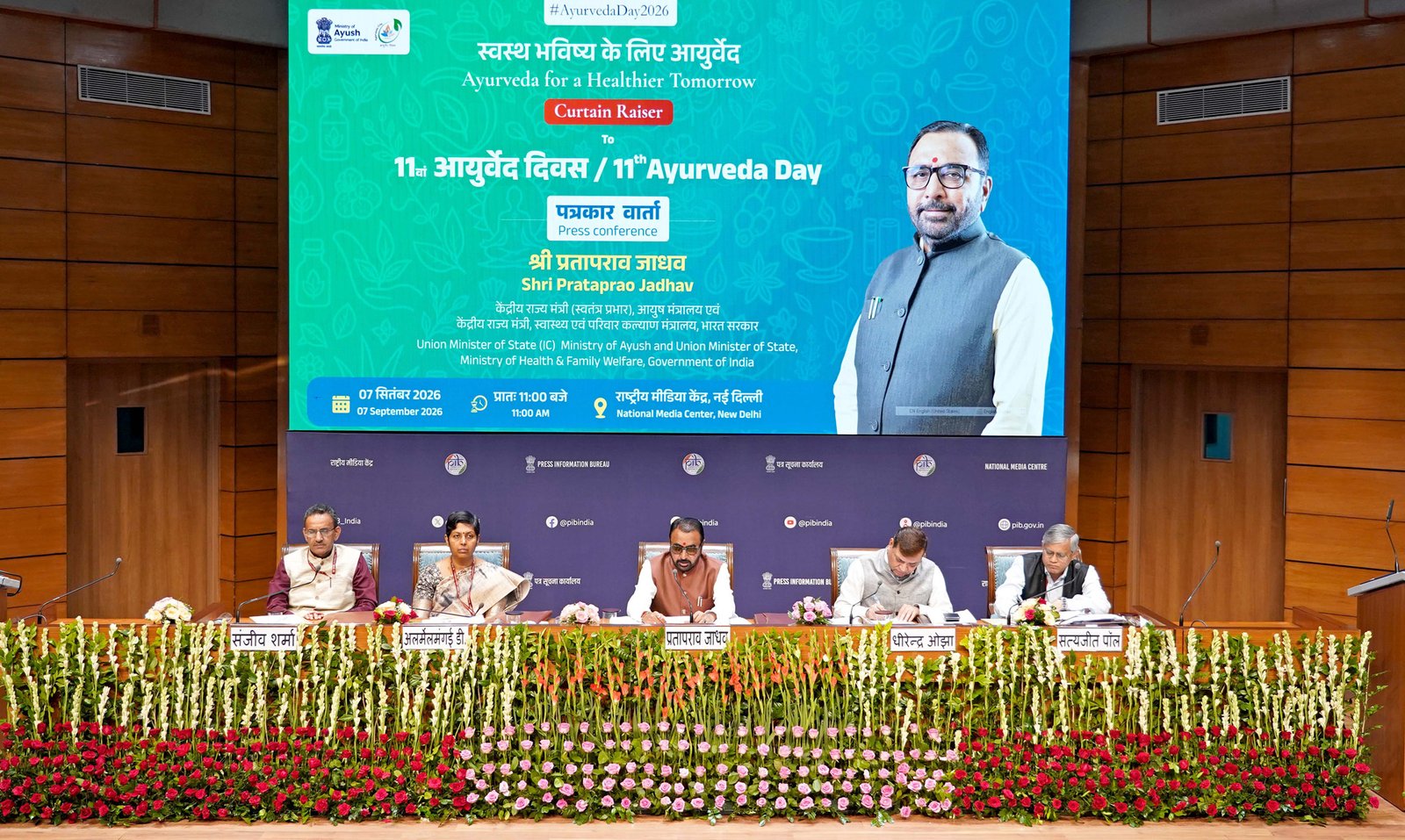
Ayurveda Day 2026: India has 12,260 functional Ayushman Arogya Mandirs. Know how the National Ayush Mission is expanding Ayurveda, hospitals, doctors and integrated healthcare services.
Ayurveda Day 2026: India is strengthening its traditional healthcare ecosystem by expanding Ayurveda and other Ayush systems across the country and integrating them with the public healthcare system. The government is focusing on upgrading Ayush education, research, drug standards, healthcare infrastructure and global outreach.
Ayurveda, widely regarded as one of the world’s oldest systems of traditional medicine, is rooted in India’s ancient knowledge traditions. The word Ayurveda comes from Ayu, meaning life, and Veda, meaning knowledge or science. Its foundational objective is expressed as “Swasthasya Swasthya Rakshanam, Aturasya Vikara Prashamanam” — protecting the health of the healthy and treating disease in the sick.
Ayurveda Focuses on Holistic Health
Ayurveda defines health as a state of balance involving the body’s doshas, agni, dhatus and malas, along with harmony among the body, mind, senses and soul.
Classical Ayurvedic texts, including the Charaka Samhita and Sushruta Samhita, describe the therapeutic and medicinal properties of plants, minerals and other substances.
The system takes a holistic approach to health, emphasising the relationship between an individual’s physical and mental well-being and the surrounding environment.
Ayurveda Day 2026: Focus on a Healthier Tomorrow
September 23 is observed as Ayurveda Day, providing an opportunity to highlight India’s traditional healthcare heritage and its contemporary relevance.
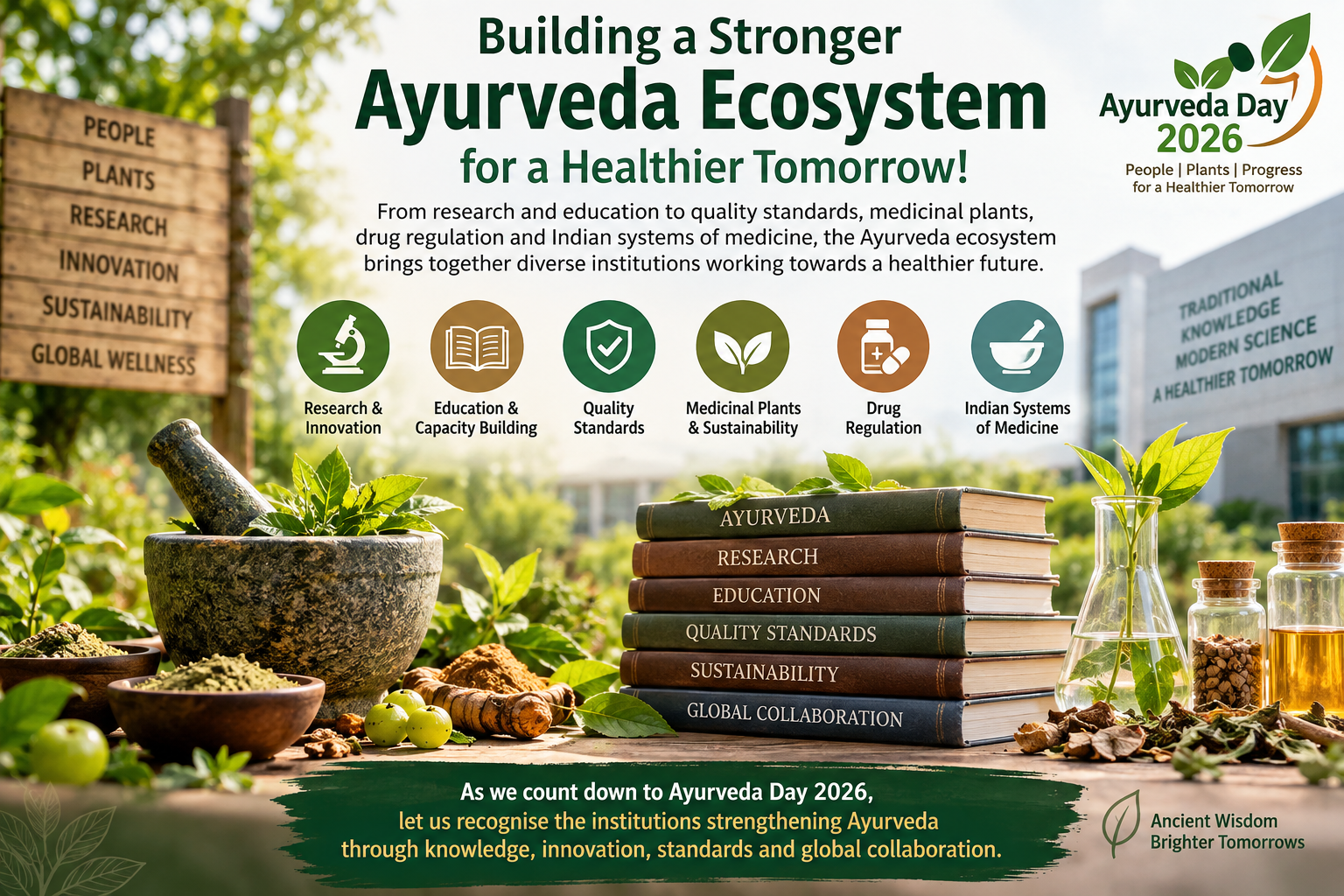
The theme “Ayurveda for a Healthier Tomorrow” focuses attention on strengthening the Ayurveda ecosystem, promoting research and education, improving standards and expanding access to Ayush healthcare.
The government’s broader approach includes Ayurveda alongside Yoga & Naturopathy, Unani, Siddha and Homoeopathy under the Ayush healthcare framework.
National Ayush Mission Drives Healthcare Expansion
The National Ayush Mission (NAM) is playing a major role in expanding Ayush healthcare infrastructure across India.
Between financial years 2014-15 and 2025-26, the Central Government released more than ₹6,406.99 crore through NAM to States and Union Territories for strengthening and integrating Ayush healthcare services.
The programme supports infrastructure development, equipment, medicines, healthcare facilities and other initiatives aimed at expanding access to Ayush systems.
12,260 Ayushman Arogya Mandirs Operational
A key component of the expansion is the development of Ayushman Arogya Mandirs (Ayush).
According to the government data provided, 12,260 Ayushman Arogya Mandirs were functional as of September 19, 2026, against a target of 12,500 centres.
Existing Ayush dispensaries and healthcare facilities are being upgraded into better-equipped wellness centres, with support from both the National Ayush Mission and National Health Mission (NHM).
While NAM supports infrastructure, equipment, furniture and medicines, NHM provides support for Ayush personnel and their integration into the broader public healthcare system.
Ayush Services Available at 13,249 Public Health Facilities
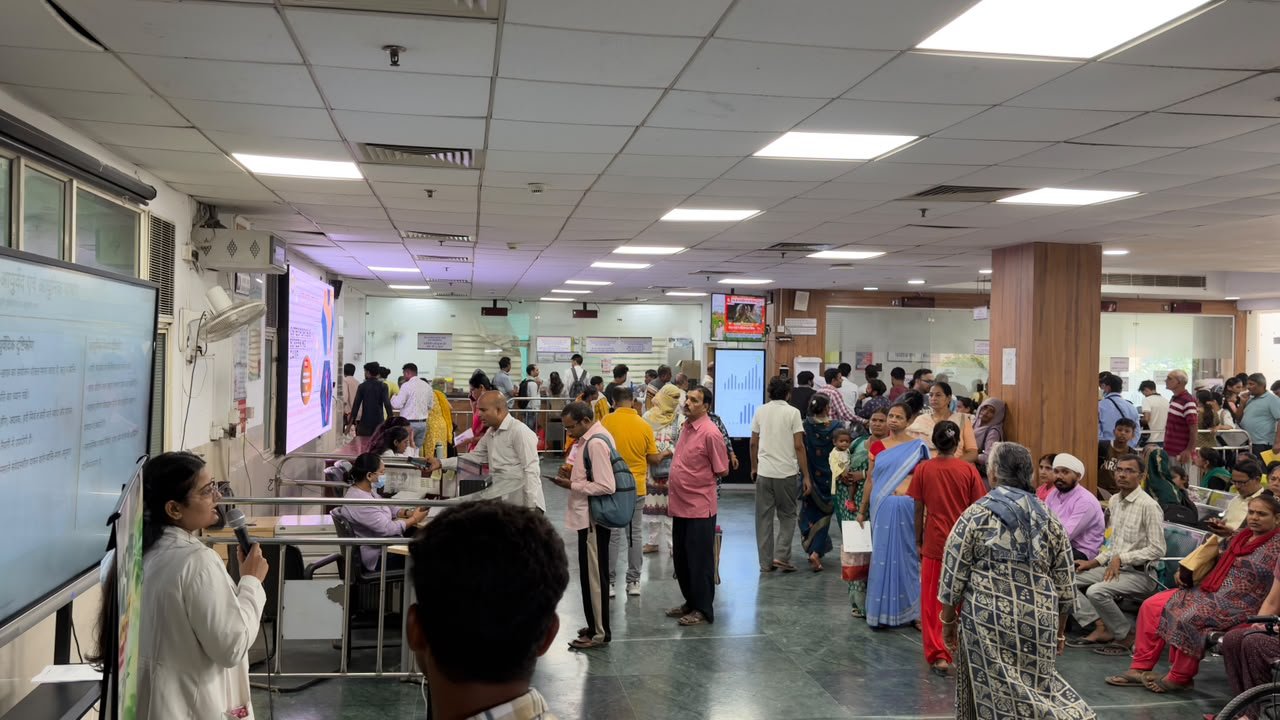
Ayush healthcare is also being integrated into existing public health facilities.
As of December 30, 2025, Ayush services were available at 13,249 public healthcare facilities across the country, including:
- 6,302 Primary Health Centres
- 3,191 Community Health Centres
- 475 District Hospitals
- 3,281 other healthcare facilities
The government is also supporting the salaries of 25,322 Ayush doctors and 5,666 Ayush paramedics across States and Union Territories.
BAMS Graduates Can Serve as Community Health Officers
Another important aspect of integrating Ayurveda into primary healthcare is the role of trained Ayurveda practitioners.
A graduate with a Bachelor of Ayurvedic Medicine and Surgery (BAMS) qualification can serve as a Community Health Officer (CHO) under applicable government programmes, supporting primary healthcare delivery at the community level.
This approach can help bring Ayush-based healthcare closer to rural and underserved populations.
New Ayush Hospitals and Healthcare Facilities
The government’s Ayush expansion strategy goes beyond establishing clinics. It includes upgrading existing hospitals and creating new healthcare infrastructure.
Key initiatives include:
- Modernisation of existing Ayush dispensaries and clinics
- Co-location of Ayush services within government health facilities
- Upgradation of standalone Ayush hospitals
- Construction of permanent buildings for healthcare centres
- Establishment of new Ayush facilities in underserved areas
- Development of 10-, 30- and 50-bed integrated Ayush hospitals
- Provision of essential medicines to government Ayush facilities
- Community-based health and wellness programmes
- Public awareness campaigns on preventive healthcare
- Establishment of new Ayush medical colleges
- Upgradation of existing Ayush educational institutions
- Expansion of pharmacy and paramedical education
Ayurveda and Modern Healthcare
The government’s approach is increasingly focused on integrating Ayush systems with the broader public healthcare network.
Rather than operating traditional systems in isolation, Ayush services are being made available alongside conventional medical services at a growing number of government healthcare facilities.
This integration is intended to expand healthcare choices for citizens while strengthening infrastructure, education, research and quality standards across the Ayush sector.
Ayurveda’s Growing Global Relevance
India is also seeking to expand the global footprint of Ayurveda through research, standardisation, education and international cooperation.
The growing interest in traditional medicine, wellness and preventive healthcare has created new opportunities for Ayurveda and other Indian traditional healthcare systems.
The government’s strategy combines the preservation of India’s traditional knowledge with efforts to strengthen scientific research, evidence-based practices, quality standards and modern healthcare infrastructure.
Ayurveda Day 2026: A Focus on the Future
Ayurveda Day 2026 highlights the changing role of traditional medicine in India’s healthcare landscape. With thousands of Ayush facilities, expanding public-sector integration and increased investment through the National Ayush Mission, Ayurveda is becoming a more visible component of India’s public healthcare framework.
The focus on “Ayurveda for a Healthier Tomorrow” reflects an effort to connect India’s traditional healthcare heritage with contemporary priorities such as preventive healthcare, research, education, accessibility and integrated healthcare delivery.


 एसk
एसk
 Ayurved Indian Bureau