kartik Upadhyaya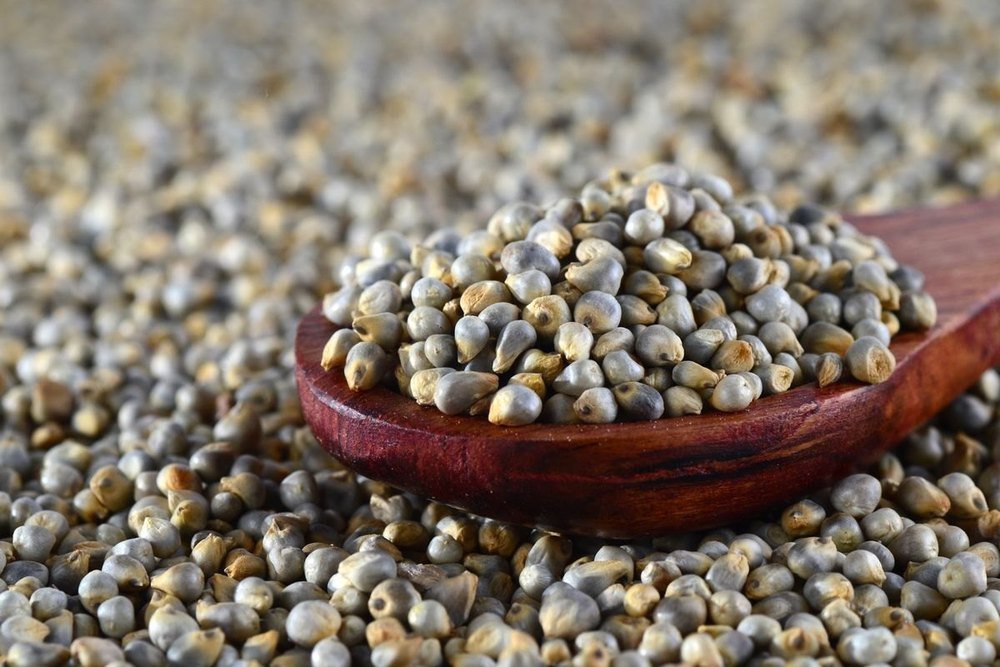
Discover the health benefits of bajra (pearl millet) in winter, its nutritional value, digestive benefits, and traditional Ayurvedic uses in India.
As winter approaches in India, traditional foods such as bajra roti, bajra khichdi and bajra porridge return to many household kitchens. Pearl millet, popularly known as bajra in India, has been an important part of the country’s traditional food culture, particularly in Rajasthan, Haryana, Gujarat and other regions where millet-based meals are widely consumed.
Known for its nutritional value and versatility, bajra is a nutritious whole grain that can support a balanced winter diet. It provides dietary fibre, plant-based protein and essential minerals, making it a valuable addition to everyday meals. Traditional Indian food practices also associate bajra with winter nourishment, although its actual effects depend on portion size, preparation methods and an individual’s health needs.
What Makes Bajra a Nutritious Winter Food?
Bajra is a naturally gluten-free cereal grain rich in complex carbohydrates, dietary fibre, protein and minerals. Its nutritional composition makes it a useful alternative to refined cereal products.
Pearl millet contains nutrients such as iron, magnesium, phosphorus and zinc. It also provides B vitamins and plant-based compounds that contribute to its nutritional profile.
When consumed as part of a varied diet, bajra can help provide sustained energy and improve overall dietary quality.
1. Provides Energy During Winter
Cold weather can increase the body’s demand for energy, particularly for people who spend considerable time outdoors or remain physically active.
Bajra contains complex carbohydrates that provide energy. Eating bajra roti or porridge with vegetables, pulses, curd or other protein-rich foods can help make a balanced and satisfying meal.
However, bajra does not automatically increase body heat or protect against cold weather. Its value lies primarily in its nutritional composition and role in a balanced diet.
2. Supports Digestive Health
Bajra contains dietary fibre, which helps support normal bowel movements and digestive health. Adequate fibre intake can help prevent constipation and contribute to a healthier gut environment.
For people who consume too few whole grains, adding bajra gradually may help increase daily fibre intake. Drinking enough water is also important when increasing dietary fibre.
People who are not accustomed to high-fibre foods may experience gas or bloating if they increase their intake too quickly.
3. May Help Support Blood Sugar Management
Pearl millet contains complex carbohydrates and fibre. These characteristics may help influence the rate at which carbohydrates are digested and absorbed.
Replacing some refined-grain foods with minimally processed whole grains can be a useful dietary strategy for people seeking better blood sugar management. However, the glycaemic response to bajra varies according to the recipe, processing, serving size and the foods eaten alongside it.
People with diabetes should monitor their individual response and follow their healthcare professional’s dietary advice. Bajra is nutritious, but it is not a treatment for diabetes.
4. Contributes to Heart Health
Bajra provides fibre, magnesium and other nutrients associated with a balanced dietary pattern that supports cardiovascular health.
Choosing whole grains instead of some refined grains may help improve overall diet quality. Bajra can be included in meals with vegetables, pulses, nuts and other minimally processed foods.
Its benefits should not be overstated: eating bajra alone does not prevent heart disease or replace prescribed medication.
5. Provides Plant-Based Protein and Essential Minerals
Bajra contributes plant-based protein, which helps the body maintain and repair tissues. It also supplies minerals such as iron, magnesium and phosphorus.
Combining bajra with lentils, beans, dairy products or other protein sources can improve the overall nutritional balance of a meal.
Although bajra contains iron, the amount absorbed by the body depends on several factors. Pairing millet-based meals with vitamin C-rich foods, such as lemon, amla or guava, can help improve the absorption of non-haem iron from plant foods.
Bajra should not be relied upon as the sole treatment for iron deficiency or anaemia.
6. Naturally Gluten-Free
Pearl millet is naturally gluten-free, making it a potential grain choice for people who need to avoid gluten.
People with coeliac disease should ensure that the grain, flour and cooking utensils are protected from cross-contamination with wheat, barley and rye.
Bajra in Ayurveda: Traditional Understanding and Uses
In Ayurveda, food is selected according to its qualities, preparation, season and an individual’s constitution and digestive capacity. Traditional Ayurvedic descriptions of millets and other grains may differ according to the specific variety and classical text.
Bajra is commonly described in traditional Indian dietary practice as a substantial grain suited to winter meals. Some Ayurvedic interpretations regard pearl millet as relatively dry and heavy to digest, and its suitability may therefore depend on how it is prepared and the individual’s digestive strength.
These descriptions belong to a traditional framework and should not be confused with established biomedical evidence.
1. Winter Nourishment
Bajra roti, porridge and millet-based khichdi are traditional winter foods in several parts of India. They provide energy and nutrients during a season when people may prefer warm, freshly cooked meals.
In traditional practice, bajra is often eaten with ghee, sesame, jaggery or vegetables. These additions influence the meal’s overall nutritional value, calorie content and suitability for different individuals.
2. Preparation According to Digestive Capacity
Ayurvedic dietary principles emphasise choosing food according to digestive capacity. People who find dry millet preparations difficult to digest may prefer softer preparations such as porridge or khichdi.
Soaking, adequate cooking and combining bajra with other foods can also improve its culinary texture and make it easier for some people to tolerate.
3. Balancing Traditional Food Qualities
Ayurvedic dietary traditions frequently consider qualities such as dryness, heaviness and warming or cooling effects when choosing foods.
Bajra is often associated with a drying quality in traditional descriptions. Consequently, some practitioners recommend preparing it with suitable ingredients, such as a modest amount of ghee, depending on the person’s dietary needs.
These recommendations are part of traditional practice. There is insufficient clinical evidence to establish that a particular bajra preparation balances the body’s doshas or treats a specific medical condition.
Healthy Ways to Eat Bajra During Winter
Bajra can be included in the winter diet in several traditional and modern preparations:
- Bajra roti: Serve with seasonal vegetables, dal or curd for a balanced meal.
- Bajra khichdi: Cook with lentils and vegetables for a warm, fibre-rich dish.
- Bajra porridge: Prepare with water or milk and add nuts or seeds according to preference.
- Bajra and vegetable pancakes: Combine millet flour with vegetables and spices for a savoury breakfast.
- Bajra mixed-grain meals: Combine bajra with other whole grains to add variety to the diet.
Portion sizes and accompaniments matter. Meals containing large quantities of ghee, jaggery or added sugar can be considerably higher in calories than simpler preparations.


 एसk
एसk
 Vaidya Kritika Upadhyay