Ayurved Indian Bureau
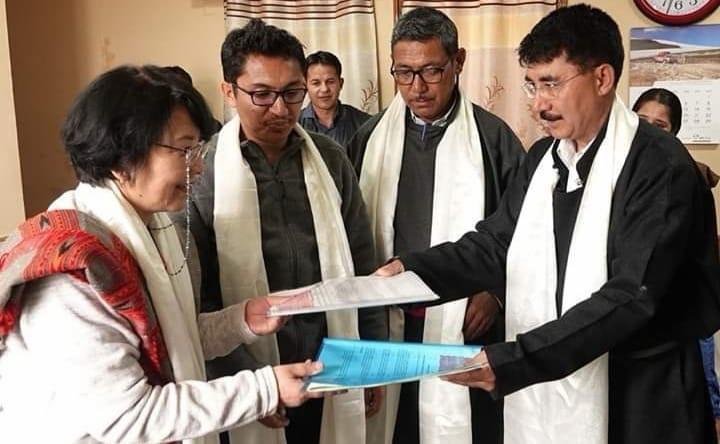
Ladakh has been declared India’s first 100% organic Union Territory. Explore its organic farming mission, the connection with Sikkim’s pioneering model and the potential benefits for farmers and the Himalayan ecosystem.
Ladakh has achieved a significant milestone in sustainable agriculture by becoming India’s first 100 per cent organic Union Territory, according to the Lieutenant Governor of Ladakh. The achievement highlights the region’s efforts to promote chemical-free farming, protect its fragile Himalayan ecosystem and improve farmers’ livelihoods.
The development comes after Sikkim became India’s first fully organic state in 2016, setting a national example for sustainable and environmentally friendly agriculture. Ladakh’s achievement marks another important step in India’s efforts to expand organic farming across different geographical regions.
Ladakh’s Organic Farming Mission: Focus on Sustainability
According to the Lieutenant Governor, the achievement reflects the dedication of farmers and other stakeholders who have worked towards promoting organic agricultural practices. The initiative also aligns with Prime Minister Narendra Modi’s vision of encouraging chemical-free farming, environmental conservation and sustainable livelihoods.
The prohibition on chemical fertilisers, along with continued efforts towards organic certification, is expected to support the protection of Ladakh’s delicate Himalayan environment. Reducing dependence on chemical inputs can help maintain soil health, protect water resources and promote more sustainable agricultural practices in the region.
Ladakh’s unique high-altitude climate and ecological conditions make sustainable agriculture particularly important. Organic farming can also create opportunities to strengthen the identity of locally grown agricultural products and improve their market potential.
Sikkim’s Organic Farming Model and Its Relevance to Ladakh
Sikkim became India’s first fully organic state in 2016 after transitioning its agricultural land towards certified organic farming. Its experience has become an important reference point for other regions seeking to adopt environmentally sustainable agricultural practices.
Sikkim’s experience in organic agriculture and certification provides a useful model for understanding how organic farming initiatives can be developed and implemented.
How Organic Farming Could Benefit Ladakh’s Farmers
The transition towards organic agriculture could offer several long-term benefits to Ladakh’s farming community.
Better environmental protection: Reduced dependence on chemical inputs can support soil and water conservation.
Improved market opportunities: Organic certification can help local products access specialised domestic and international markets.
Higher value for local produce: Organic branding may improve the market positioning of region-specific agricultural products.
Sustainable livelihoods: Stronger market linkages and better product recognition could create opportunities to improve farmers’ incomes.
Protection of the Himalayan ecosystem: Environmentally responsible agricultural practices can contribute to the conservation of Ladakh’s sensitive natural environment.
Realising these benefits will depend on effective certification, market access, post-harvest infrastructure, consumer demand and the ability of farmers to obtain competitive prices.
Ladakh Could Become a Model for High-Altitude Organic Agriculture
Ladakh’s reported organic status represents an important development in India’s sustainable agriculture journey. Following Sikkim’s pioneering achievement, Ladakh could demonstrate how organic farming can be adapted to the distinctive climatic and ecological conditions of high-altitude regions.
The Lieutenant Governor congratulated farmers and all stakeholders for their contribution to what he described as a historic achievement. The development is expected to strengthen the focus on sustainable farming, environmental conservation and the promotion of locally produced agricultural goods.


 Mehak Bakshi

 एसk